
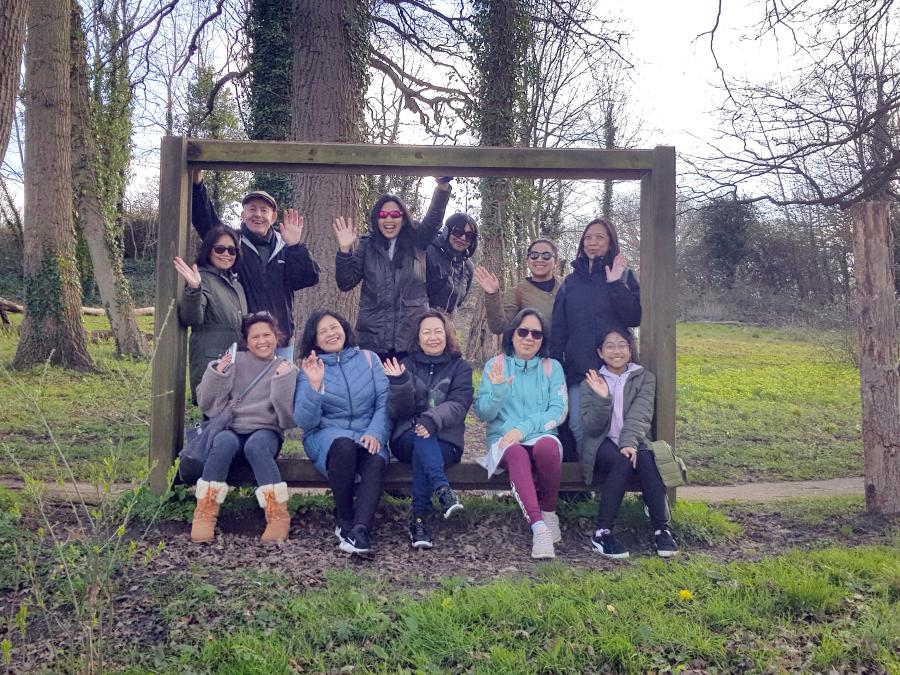
Equals IW Green Time Merstone Walk 2024
Join Mark and Equals IW to explore and learn all about the Community Orchard and heritage of the old railway station. You will take part in some fun maths learning about ‘Areas’ before joining Mark on a walk through beautiful countryside.
- Sunday 28th April 2024
- 2pm to 6pm
- Meeting Point: Merstone Old Railway Station PO30 3DQ
- Free Car Parking – Route 2 Bus Stops at Station
- Merstone Station and Redway Loop 3.2 miles – 5km, 289 Kcal, 6,900 Steps
Circular Walk
The circular walk initially takes the country lane and woodland pathway to Redway. Then across the country fields to Horringford to return on the cycle track along the old railway line to Merstone Old Railway Station and the Community Orchard. The Community Orchard is home to a range of wildflowers and fruit trees with blossom which provide a great source of early nectar.
Alternative Walk
We will have an alternative walk that is pushchair, child buggy, mobility scooter and wheelchair friendly along the hard-packed cycle track and the old railway line to Horringford. There you will meet the other group members who are on the circular walk and all return together.
Picnic
After the walk there will be a group picnic at the Community Orchard. Please bring and share food. Hot and cold water with cups and paper plates will be available. The orchard does have barbecues that can be used safely. Remember to bring a drink, if sunny a sunhat and sun cream, and please wear trainers, walking shoes or boots and clothing suitable for the weather.
This walk is open to children accompanied by parents, young people and adults, with no upper age limit. Dogs are also very welcome but must be kept on a lead at all times.
Green Time - Multiply is a way of developing maths skills in a fun, informal way by using the great outdoors to enhance positive emotional wellbeing, self-confidence, self-esteem and mental health.
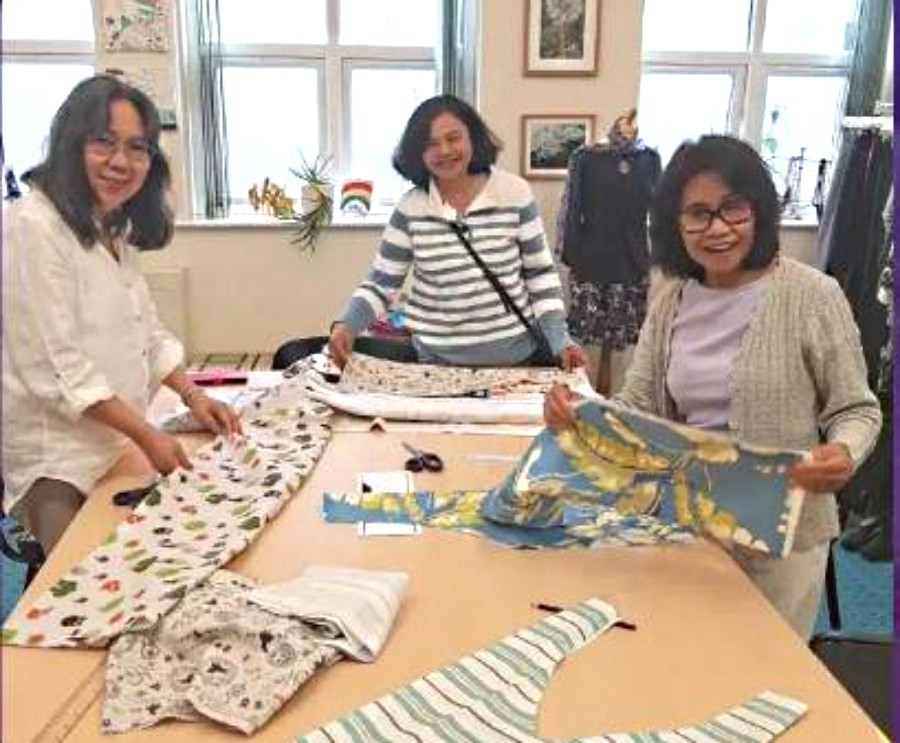
Equals IW Ladies Group Welcomes New Members for 2024
If you are aged 19 and over and like to meet with other women in a safe environment join the Equals IW Ladies Group.
You can come along to our free sessions to just to talk over a cuppa and make friends, enjoy craft, art and other activities. You can also bring family members and friends.
We meet
- Fortnightly on a Tuesday
- From 10am TO 12pm
- At Energy Hub, Utilita Energy, 121 High Street Newport P030 1TP
To find out about dates and more please send an email to
We have a flyer for the Ladies Group (300kB)
Equals IW Ladies Group Starts 2024 with a Celebration
We are delighted that Eden has taken up the role for a second year as the Equals IW Ladies Group Co-ordinator.
Eden has put her enthusiasm straight into action by organising a trip over the Solent to visit the shops in Southampton City Centre.
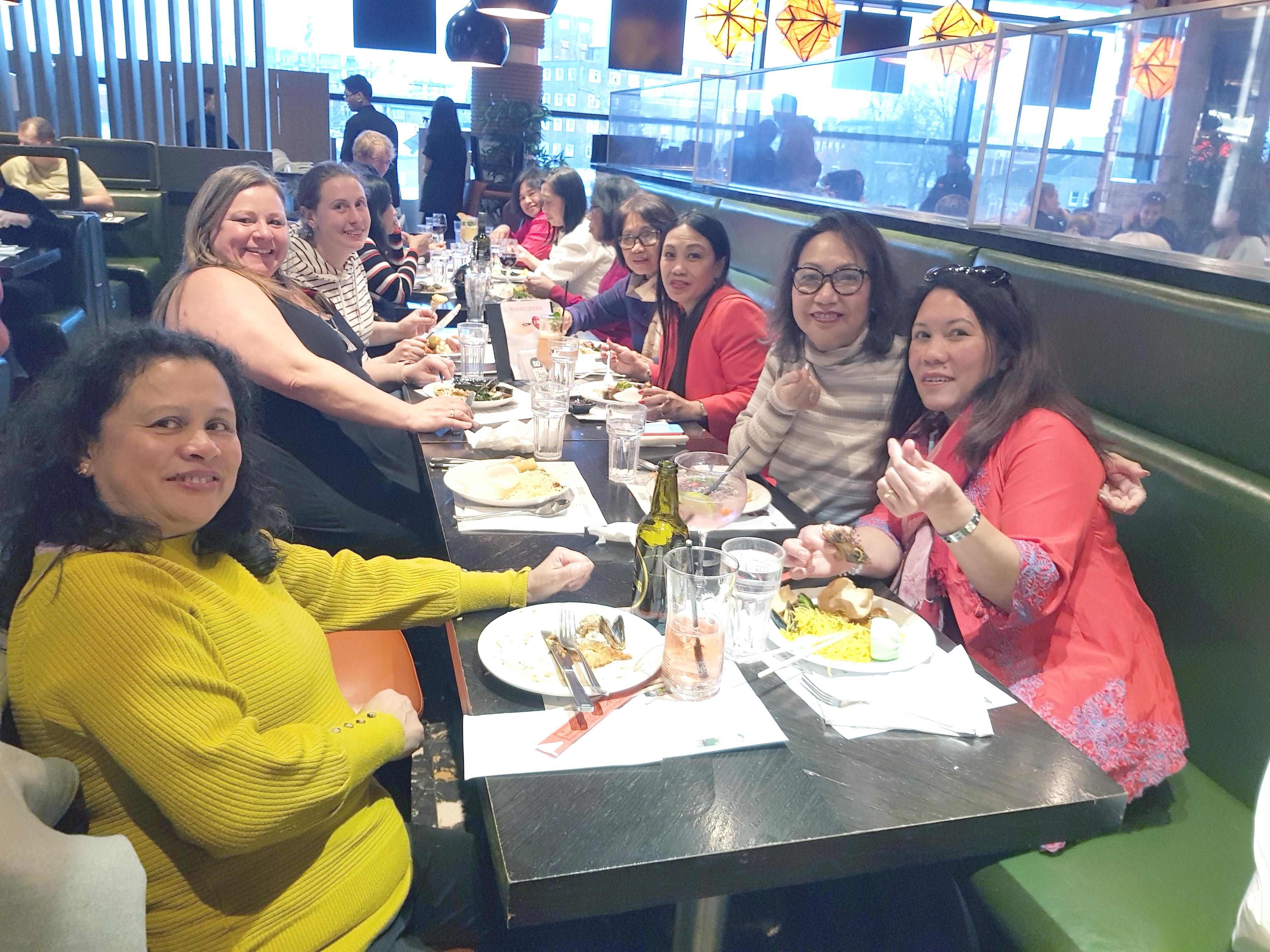
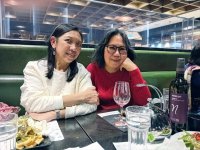
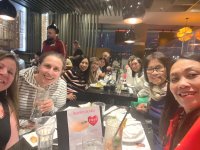
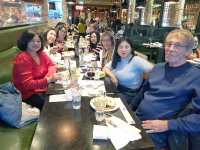
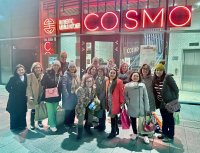
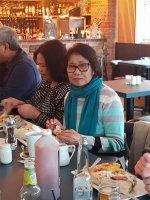
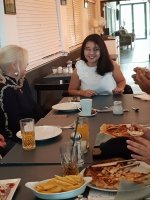
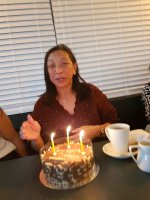
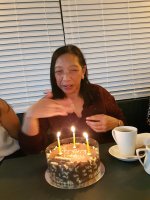
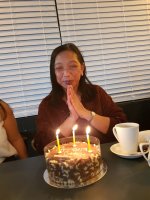
The Ladies Group invited sixteen friends, partners, husbands and family to the Cosmo All You Can Eat World Buffet in Southampton to celebrate the Chinese New Year. The group also took the opportunity to celebrate the birthday of Aireen, one of the group members.
We took photos
Background
Lunar New Year in 2024 occured on 10th February and was celebrated by millions of people around the world. It is also known by other names, including the Chinese New Year, Spring Festival, Seollal and Tet Nguyen Dan.
Regardless of the name the Lunar New Year is one of the most important festivals for many people of Asian heritage. Red is the primary colour during the celebration and it is common to see many red decorations during this period. Red envelopes get passed around in a tradition used to send good luck and money to the receiver.
2024 is the year of the Wood Dragon Jiǎ Chén (甲 辰). It blends the heavenly stem of Jiǎ or Yang Wood and the earthly branch of Chén the Dragon. Wood is considered yang because it represents activity, growth, expansion, and outward movement. The Dragon is Yang Earth as its core with some Yin Wood and Yin Water. Earth is considered yang because it represents stability, nourishment, and solidity. The resulting combination means the Wood Dragon is powerful, endlessly energetic and full of vitality. A goal-oriented yet idealistic and romantic visionary leader. It knows exactly who they are and possesses the keenest sense of self among the 12 zodiac signs of Chinese astrology.
Equals IW Ladies Group Rounds Off Another Successful Year
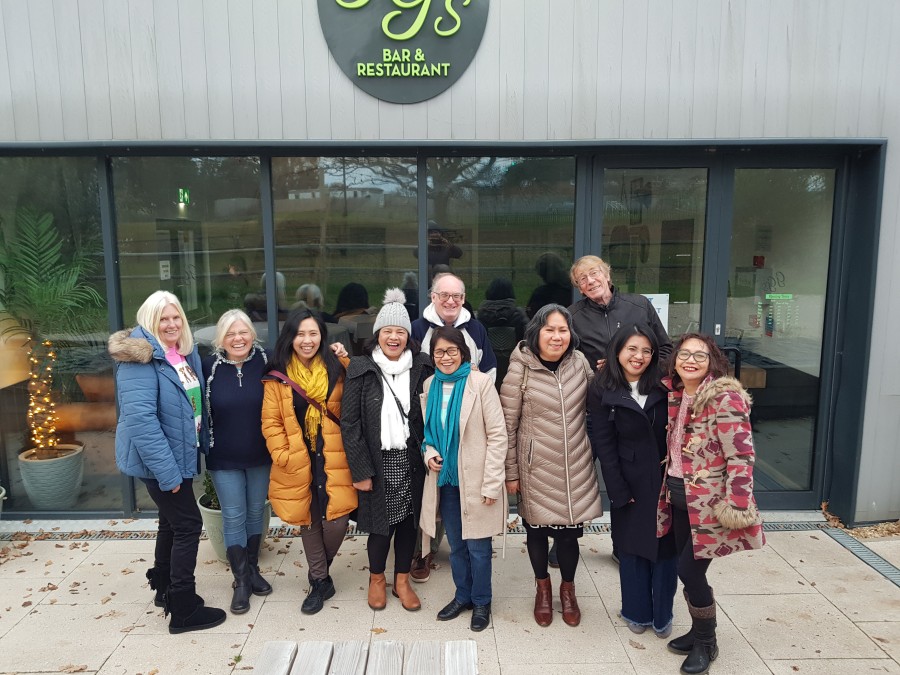
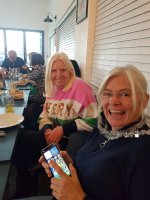
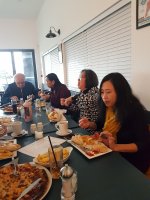
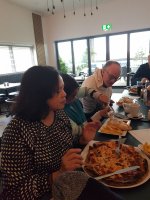
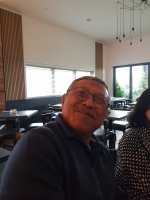
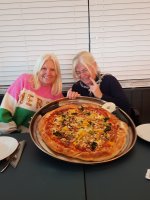
The Ladies Group rounded off another successful year of meetings and activities by welcoming all to a light lunch at GG’s Restaurant. Friends came together to have a lovely time sharing a very large pizza and celebrating a recent birthday.
During the light lunch a special thanks was given to Eden who has been the Ladies Group Co-ordinator for 2023.
As Chair of Equals IW, Mark paid tribute to Eden’s voluntary contribution as the Ladies Group Co-ordinator and her participation in the wider Equals IW Friends and Family Group.
Mark shared
"Throughout the year Eden provided excellent support to the Green Time Project by helping to organise and cheerfully motivate people on many occasions. She also organised group activities for the women including two types of bag making, teapot cover making and crocheting.
So a big “thank you” Eden. A really much appreciated “thank you” is also given to all that have taken part in a wonderful range of activities this year with Equals IW and helped make the year a success. It was enjoyable and on many occasion a great time was spent in laughter. Words often heard throughout the year were lovely, wonderful, amazing, such welcoming friendly people.”
We took photos
The year 2024 starts with the Equals IW AGM and Committee Meeting in early January 2024. This will give us the chance to put into place a further selection of different activities that will hopefully be well supported by all. If you would like to help expand any of the current Equals IW projects and develop further partnership working please feel welcome to get in contact via the website.
Equals IW consist of two groups
- Friends and Family Group – All are welcome to join activities from babies, children, teenagers, adults to grandparents. Everyone.
- Ladies Group – We welcome new friends to attend group sessions but only women aged 18 and over.
Equals IW Partnership Programmes at present are
- Green Time Health Wellbeing Programme
- Green Time Multiply – With A Splash of Fun Maths
- Bay 2 Bay Project
- Carnival – Karnabal – Karnaval
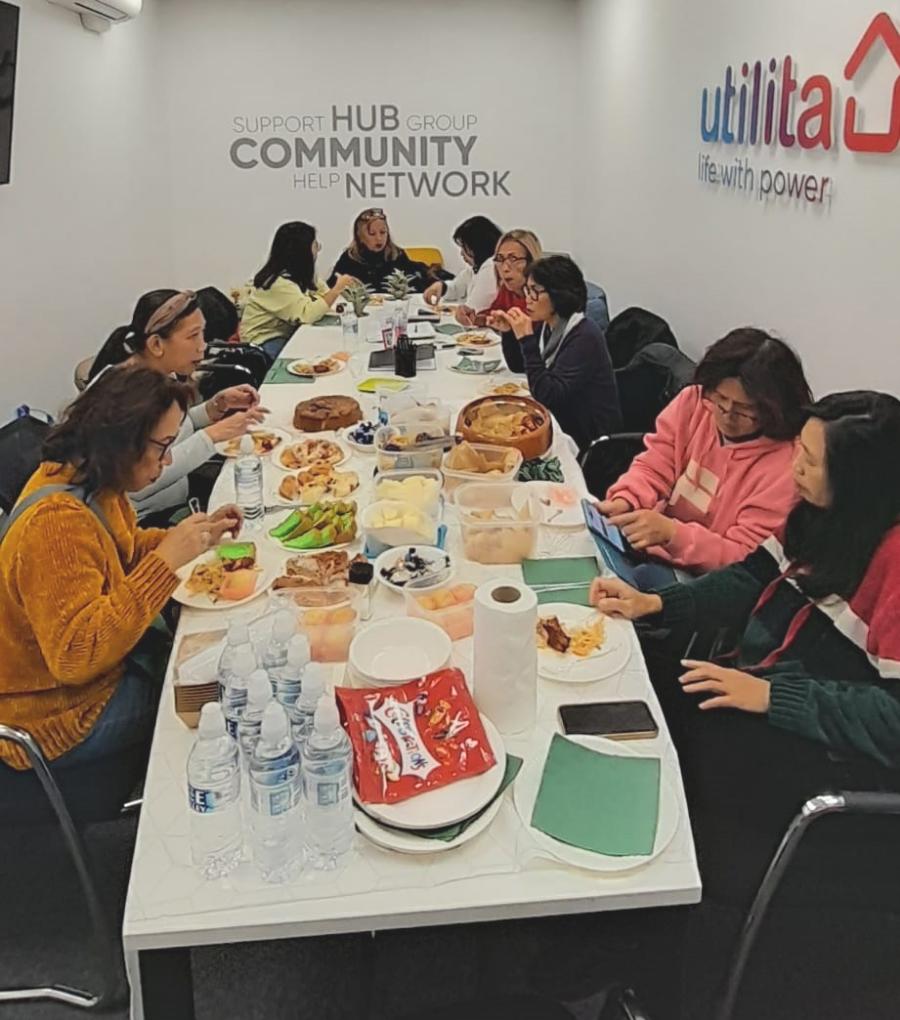
The last Ladies Group session of 2023 took place at Utilita Energy Hub in Newport on the Isle of Wight with a good number of friends bringing homemade food to share.
The group plans to start meeting again on 9th January 2024 continuing each
- Tuesday from 10am until 12 noon
- Utilita Energy Hub,
- 121 High Street, Newport PO30 1TT.
The current group project activity is learning to make a crochet bag.
You can read more about the programmes that took place during 2023, including the Green Time Project, on this website.
Equals IW Groups
As part of the aim to support equality and diversity on the Isle of Wight, Equals IW offers a Ladies group for women including women of ethnic backgrounds.
For a real cultural diversity experience come and join our Ladies Group. The group provides a welcoming place to women of both minority and majority ethnic background. Come and make new friends, get advice and find support. You can take part in fun activities and maybe participate in some training.
Equals IW also offers a Friends and Family Group which is open to adults of all ages, children accompanied by parents or responsible adult, family members and friends. Some this groups activities will be open also to the general public..
The groups have taken part in
- Carnivals and arts parade
- The Kite Festival
- Cultural and Diversity Events
- Art and Craft fun Activities
- Information Technology Training
- Food Hygiene Training
- Cooking Courses at the Isle of Wight College
- Culture Kitchen
- Back to Work Training
- Private Swimming Sessions
Please
Updated February 2023